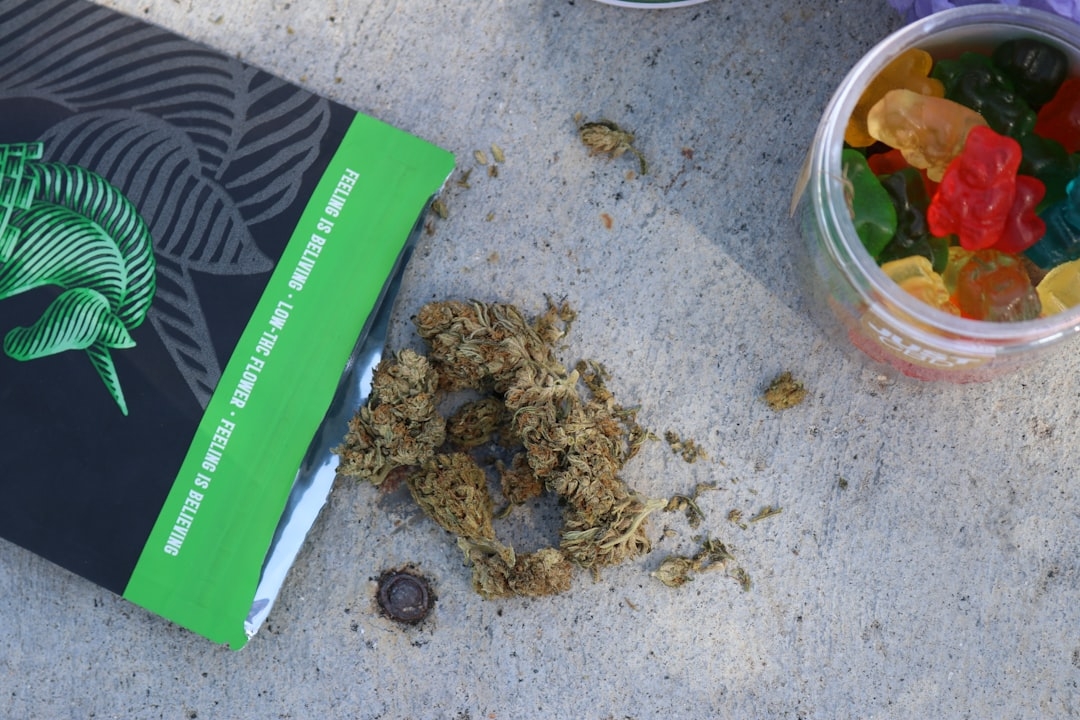
Recognizing signs of overconsumption in cannabis use involves understanding the boundaries of safe consumption practices. It's crucial to be aware of how much is too much. Overconsumption can lead to uncomfortable experiences or even health issues. For recreational consumers and medical patients alike, knowing your limits is key. Start by paying attention to the dosage. With edibles, for instance, effects might not kick in until an hour or two later, so it’s easy to take more than needed if you're impatient. Keep track of how different strains and forms affect you. This isn’t just for fun. It’s about safety and well-being.
Key Points to Remember:
In places like San Jose, where cannabis is legally available, it's important to consume responsibly. This means not just knowing your limits but also the legal limits. Public consumption is generally a no-go, and driving under the influence is illegal. These laws exist to keep everyone safe.
Common mistakes include mixing cannabis with alcohol or other substances, which can amplify effects unpredictably. You can shop a wide selection of cannabis products at local dispensaries in San Jose today. Also, using cannabis as a sole coping mechanism for stress can lead to dependency. If you find yourself needing more to achieve the same effect, it might be time to reassess your consumption habits.
Ignoring these guidelines can lead to negative experiences like anxiety, paranoia, or impaired cognitive function. Long-term, it could affect your mental health. So, listen to your body and mind. Adjust accordingly. This isn't about fear-mongering; it's about making informed choices that keep you and those around you safe.
When it comes to cannabis, knowing the signs of overconsumption is crucial. We’re talking about things like dizziness, nausea, and a racing heart. These aren't just minor inconveniences; they can be your body’s way of saying, "Hey, slow down a bit." So, what should you be looking for? Dizziness is often the first clue. It can hit you out of nowhere, making you feel unsteady or lightheaded. This happens because cannabis can lower your blood pressure, especially when you stand up quickly. It’s like your body’s balance gets thrown off.
Key Physical Signs of Overconsumption:
Nausea is another telltale sign. While cannabis is often praised for its anti-nausea properties, too much can flip the script. You might feel queasy or even throw up. This can be confusing, but it’s a clear signal that your system is overwhelmed. A dispensary in San Jose CA can make cannabis shopping feel simple, legal, and much less confusing than trying to understand downtown parking signs. Then there’s the heart rate. Cannabis can make your heart beat faster, and if you notice it pounding in your chest, that’s a red flag. It’s your body reacting to the compounds in cannabis, which can stimulate your cardiovascular system.
Why does this matter? Well, ignoring these signs can lead to more severe consequences, like panic attacks or fainting. So, take them seriously. If you start feeling any of these symptoms, it’s time to pause, hydrate, and maybe grab a snack. It’s all about listening to your body and knowing when to step back. Common mistakes? People often think they can handle more than they can, especially if they’re new to cannabis or trying a new product. Just because it’s legal doesn’t mean it’s without risks. Recognizing these physical signs early on can help you have a safer and more enjoyable experience.
Anxiety can creep up on cannabis users, especially when consuming higher doses. It becomes a concern when the feeling of unease or nervousness lingers long after the high. This isn't just a passing worry; it can manifest as a racing heart or sweaty palms. Reducing dosage or choosing strains with lower THC content might help. Recognizing these symptoms early can prevent them from escalating into more severe mental health issues. It's crucial to monitor how your body reacts and adjust consumption accordingly.
Paranoia is more than just a fleeting thought; it’s a serious mental symptom that can arise from cannabis overconsumption. Users might feel like they're being watched or judged, even when there's no real threat. This can lead to uncomfortable social situations or isolation. Choosing strains with a balanced THC to CBD ratio can mitigate these effects. It's important to be aware of your surroundings and keep consumption in check. If paranoia becomes frequent, it might be time to reassess your cannabis habits.
Confusion isn't just forgetting where you left your keys; it’s a deeper disorientation that can occur with excessive cannabis use. Users might find it hard to follow conversations or make simple decisions. This can be particularly problematic in professional settings or tasks requiring focus. To avoid such scenarios, it's advisable to consume in familiar environments and avoid multitasking. Recognizing when confusion sets in allows users to pause and recalibrate their intake.
Emotional instability can manifest as mood swings or unexpected emotional responses. Cannabis affects everyone differently, and for some, it can amplify feelings of sadness or irritability. It's crucial to track these emotional changes and consider whether they align with your cannabis use. Adjusting the type or amount of cannabis consumed can help stabilize emotions. Keeping a journal of your experiences might provide insights into patterns and triggers.
Memory impairment is a common issue with high THC consumption, affecting short-term recall. Users might struggle to remember recent conversations or tasks. This can impact daily life, especially if tasks are forgotten or repeated. To combat this, consumers can opt for strains with higher CBD content, known to counteract some of THC's effects. Being mindful of your consumption routine and setting reminders can help maintain memory function. It's about finding a balance that works for your lifestyle.
Keeping an eye on changes in behavior can greatly assist in ensuring safe cannabis consumption. Social withdrawal is a significant indicator. If someone begins avoiding friends or skipping social gatherings, it might suggest they’re overdoing it. It’s as if they’re distancing themselves from activities they used to enjoy. This shift can be subtle initially, but it’s worth noting. Erratic actions are another warning sign. If someone’s behavior becomes unpredictable or they start making decisions that seem out of character, it might be time to reassess their cannabis use.
Common mistakes? Ignoring these signs or attributing them to other stressors without considering cannabis as a factor. It’s easy to dismiss changes as temporary, but if they persist, it’s worth taking a closer look. Safe consumption isn’t just about dosage or frequency; it’s about ensuring cannabis use doesn’t negatively impact your life.
Why does this matter? Because these changes can affect daily life. Relationships can suffer, work performance might decline, and overall quality of life can be impacted. Noticing these signs early can prevent things from spiraling. It's about maintaining balance. Safe consumption means staying aware of how cannabis affects you, not just physically, but mentally and socially too.
Key Points to Monitor:
So, how do you monitor this? Pay attention to patterns. Are social interactions becoming less frequent? Are there mood swings or impulsive decisions that weren’t there before? It’s not about being paranoid, just mindful. Communication is key. Talk to friends, family, or a healthcare professional if you notice concerning changes. They can offer support and help assess the situation.

When using cannabis, especially if you're new to it or trying out a new product, it's crucial to recognize when you might be overdoing it. The immediate effects of overconsumption can vary, but there are some common signs to watch for. First off, an increased heart rate. This can be unsettling, especially if you're not expecting it. Some people also experience dry mouth, sometimes called "cottonmouth," which can be a sign you've had a bit much.
Then there's the feeling of dizziness or lightheadedness. If you start to feel like the room is spinning, it might be a cue to slow down. Another sign could be intense drowsiness or feeling couch-locked, where you just can't seem to get up and move around. Paranoia and anxiety are also potential indicators. If your mind starts racing with thoughts that make you uneasy, it might be a result of too much cannabis.
It's important to pay attention to these signals because ignoring them can lead to unpleasant experiences. If you find yourself experiencing any of these symptoms, it might be a good time to take a break. Drink some water, find a comfortable place to sit or lie down, and wait it out. Remember, it's better to start with a lower dose and increase gradually than to jump in headfirst. Knowing your limits and listening to your body is key to enjoying cannabis safely.
Chronic overconsumption of cannabis can lead to a range of health issues, both physical and mental. It's essential to understand that while cannabis has its benefits, using it excessively over time can have sustained impacts. For one, it can affect your mental health. There's evidence suggesting that heavy, long-term use may increase the risk of anxiety and depression. If you're using cannabis daily and noticing mood swings or persistent feelings of sadness, it might be time to reevaluate your consumption habits.
Physically, your lungs can take a hit, too. Smoking cannabis frequently can lead to respiratory problems. It's not like tobacco, but it still involves inhaling smoke, which can irritate your lungs. If you find yourself coughing more than usual or having trouble breathing, it might be a sign to cut back or consider alternative consumption methods.
Then there's the issue of tolerance. The more you use cannabis, the more your body gets used to it, meaning you might need more to achieve the same effects. This can lead to a cycle where you're consuming more than intended, and that's where the problems start. Over time, it can make it hard to enjoy cannabis in moderation.
Finally, consider how it affects your daily life. If your cannabis use is interfering with work, relationships, or other responsibilities, that's a red flag. It's all about balance. Recognizing these signs early can help you adjust your habits and ensure that cannabis remains a positive part of your life rather than a detrimental one.
When it comes to cannabis, knowing your limits is crucial. Start with the dosage. Less is often more. For beginners or even seasoned users trying a new strain, starting low and going slow is a good mantra. Think about it like this: 2.5 to 5 mg of THC is a reasonable starting point for edibles. For smoking or vaping, a couple of small puffs can do the job. It’s not about rushing to the finish line; it’s about enjoying the journey without veering off track.
Frequency is another piece of the puzzle. Daily use might work for some, especially medical patients, but it’s not one-size-fits-all. Recreational users might find that using cannabis a few times a week is plenty. It’s easy to slip into a routine that turns into overconsumption without realizing it. So, keep tabs on how often and how much you’re using.
Important Considerations:
Then there’s the matter of strain selection. Not all cannabis is created equal. Some strains are high in THC, others have a balanced THC to CBD ratio. High-THC strains can be intense and may lead to overconsumption if you’re not cautious. CBD-rich strains can offer a more mellow experience and might be a better starting point for many.
If you’re not careful, overconsumption could lead to unwanted effects like anxiety, paranoia, or just feeling too out of it. It’s not fun. Recognizing your own tolerance and adjusting your habits is key. The bottom line? Pay attention to dosage, frequency, and strain. It can make all the difference between a positive experience and a not-so-great one.
When it comes to cannabis, it's not just about how much you consume but also the consequences that come with overdoing it. In San Jose, like many places, cannabis is legal for adults, but that doesn’t mean it’s a free-for-all. You’ve got to think about the legal stuff—like driving under the influence. It’s a big no-no. You could lose your license, get fined, or worse. And it's not just about the law. Socially, overconsumption can put a strain on relationships. No one wants to be the person who’s always too high to hang out or handle responsibilities.
Also, let’s talk about tolerance. Overconsuming can lead to needing more cannabis to feel the same effects. That can get expensive and lead to more frequent purchases, which, in turn, can catch the eye of law enforcement if you’re not careful. And don’t forget about work. If your job requires drug testing, being a frequent user could put your employment at risk.
So, what can you do? Start by knowing your limits. Keep track of how much you’re using and how often. Stick to trusted sources for your cannabis. In San Jose, there are plenty of licensed dispensaries that offer compliant, safe products. This ensures you’re getting quality stuff, not something laced with who-knows-what. Finally, have open conversations with friends or family if you think your use is becoming a problem. It's better to address it early on than to face tougher consequences down the road.
Trying to find a dispensary in San Jose CA can be an easy way to explore legal cannabis products close to home. Whether you live near downtown San Jose, Willow Glen, Almaden, Evergreen, Berryessa, Cambrian Park, North San Jose, or West San Jose, a licensed dispensary can offer a clearer way to compare cannabis products.
A quality dispensary in San Jose CA may carry flower, pre-rolls, edibles, vapes, tinctures, concentrates, and topicals. First-time shoppers can ask about how edibles work, how strong a product may be, and how long effects can last. Regular cannabis shoppers may look for stronger options, curated brands, or more targeted effects.
Cannabis dispensaries in the United States or marijuana dispensaries are a kind of marijuana retail electrical outlet, neighborhood government-regulated physical area, usually inside a retail store front or office building, in which an individual can acquire cannabis and cannabis-related things for medical or recreational usage. First modeled in Amsterdam in the late 1970s where they were innocently called coffeeshops, it would certainly take the Americans greater than a generation to efficiently duplicate the idea of a retail cannabis store. Unlike in the Dutch coffeehouse, today most dispensaries do not enable the cigarette smoking or other usage of marijuana. However, some dispensaries (such as some in California) do have lawful permission to establish "cannabars" to allow onsite intake. In a standard medical marijuana dispensary store a client gets marijuana medicine as permitted per the person's doctor's recommendation. These dispensaries sell marijuana products that have not been accepted by the FDA and are not lawfully signed up with the federal government. As of 2021 there are state-regulated cannabis dispensaries in Alaska, Arizona, Arkansas, California, Colorado, Connecticut, the District of Columbia, Delaware, Florida, Hawaii, Illinois, Louisiana, Maine, Maryland, Massachusetts, Michigan, Minnesota, Missouri, Montana, Nevada, New Hampshire, New Jacket, New Mexico, New York City, North Dakota, Ohio, Oklahoma, Oregon, Pennsylvania, Rhode Island, Utah, Vermont, Virginia, and Washington. In The Golden State, Native American gaming operations are additionally intended to consist of dispensaries moving forward. A marijuana dispensary varies from similar retail stores referred to as head stores, because just state-licensed marijuana dispensaries are accredited to sell marijuana. About 14 United States States have drive thru capabilities. These states include; California, Colorado, Illinois, Maryland, Michigan, Missouri, Nevada, New Jacket, Pennsylvania, Ohio, Oklahoma, Oregon, Utah, and Washington
.